
Exploring the psychology behind gambling in modern casinos
Understanding the Allure of Gambling
The attraction of gambling in modern casinos is a fascinating intersection of excitement and risk. Many individuals are drawn to the thrill of potentially winning big, but there are deeper psychological motivations at play. From the ice fishing casino allure of risk-taking to the promise of financial reward, the psychology behind gambling encapsulates our innate desire for adventure. This draw is often heightened by the ambiance of casinos, designed to keep players engaged and stimulated.
Modern casinos utilize a myriad of sensory elements to enhance the gambling experience. Bright lights, captivating sounds, and vibrant colors work in concert to create an atmosphere that feels alive. This environment not only heightens excitement but also creates a sense of urgency that can prompt individuals to play for longer periods. The thrill is often coupled with social elements, as players interact with one another, forming a communal experience that can reinforce their desire to gamble.
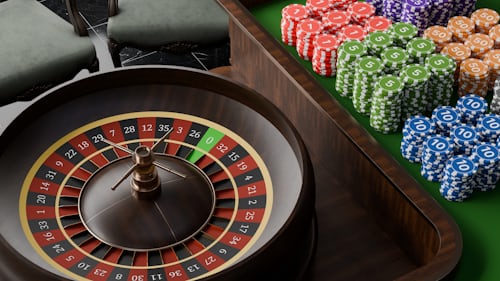
In addition to these sensory stimulants, the social aspect of casinos cannot be overlooked. The feeling of camaraderie that develops among players can amplify the enjoyment of the experience, drawing them back again and again. Many find solace in the connections made while at the tables or slot machines, reinforcing the idea that gambling is not merely an individual pursuit but one that entwines social engagement and collective thrills.
The Role of Emotion in Gambling
Emotional stimulation plays a critical role in how players engage with gambling. The highs of winning can lead to feelings of euphoria, while losses can result in frustration and disappointment. This emotional rollercoaster can create a cycle of behavior known as the “gambler’s fallacy,” where individuals believe that their chances of winning increase after a string of losses. Understanding this emotional aspect is essential to grasping why people often return to gambling despite unfavorable odds.
Moreover, the anticipation of a win can evoke emotions that are similar to those experienced in other risk-taking activities. This anticipation triggers the brain’s reward system, releasing dopamine, which reinforces the behavior and encourages repeated gambling. Consequently, players may become conditioned to seek these emotional highs, often leading to increased frequency and duration of play.

This emotional engagement is further intensified by the immediate feedback provided by many gambling games, which can plunge players into a cycle of emotional highs and lows. Instant results from slot machines or card games amplify feelings of triumph and despair, which can motivate players to chase that next winning moment, often ignoring the odds stacked against them.
Impact of Cognitive Biases
Cognitive biases significantly influence gambling behavior, leading individuals to make irrational decisions that can result in financial losses. One common bias is overconfidence, where players underestimate the risks associated with their gambling choices. This can lead to excessive betting and a disregard for any logical assessment of their chances of winning.
Another prevalent bias is the “illusion of control,” where players believe they can influence the outcome of games that are purely based on chance, such as slot machines. This belief can create a false sense of mastery and lead to persistent gambling, despite the odds being stacked against them. By recognizing these biases, individuals may better understand their own gambling behaviors and the psychological traps that casinos exploit.
Furthermore, confirmation bias leads players to remember their wins and forget their losses, reinforcing a distorted perception of their gambling success rate. This can perpetuate the gambling cycle, as players become convinced that they are on the brink of winning big, thus encouraging more play and greater financial risk.
Casino Design and Player Behavior
The design of modern casinos is meticulously crafted to enhance player engagement and prolong playtime. Casinos often lack windows and clocks, creating a timeless environment that encourages players to lose track of time. This design manipulates the perception of time, making it easy for gamblers to remain engrossed in their games without realizing how long they have been playing.
Additionally, strategically placed amenities such as bars and restaurants ensure that players have ready access to both food and beverages, further encouraging them to stay longer. Many casinos also incorporate loyalty programs that reward continued play, reinforcing the idea of getting something back, even if they are ultimately losing money. This blend of design psychology and behavioral economics creates a perfect storm for prolonged gambling sessions.
Moreover, creating an immersive casino atmosphere can enhance feelings of relaxation and excitement, seducing players into a state where they feel inclined to gamble more. The use of familiar music and motifs that evoke nostalgic feelings can further deepen a player’s emotional connection to the casino environment, making it a habitual destination for both entertainment and escape.
Discover More at Save Dog Cat
If you’re intrigued by the psychological dynamics surrounding gambling in modern casinos, there’s much more to explore. For those who share an interest in recreational activities, check out unique experiences like ice fishing casinos. Engaging in such pursuits can serve as an exciting alternative to traditional casino experiences, offering new forms of entertainment that still capture the thrill of chance.
Understanding the intricate psychological elements involved in gambling can empower individuals to make informed choices. By recognizing how emotions, cognitive biases, and immersive environments create compelling experiences, players can navigate the casino landscape more effectively, blending enjoyment with mindfulness. Additionally, educating oneself about responsible gambling practices can serve as a safeguard against the potentially harmful effects of excessive betting, allowing individuals to partake in the fun while maintaining control over their financial well-being.